Uganda’s gambling regulator says digital oversight and tougher player-protection rules have helped drive a surge in declared revenues. The numbers are turning heads across Africa, even as offshore betting remains hard to police.
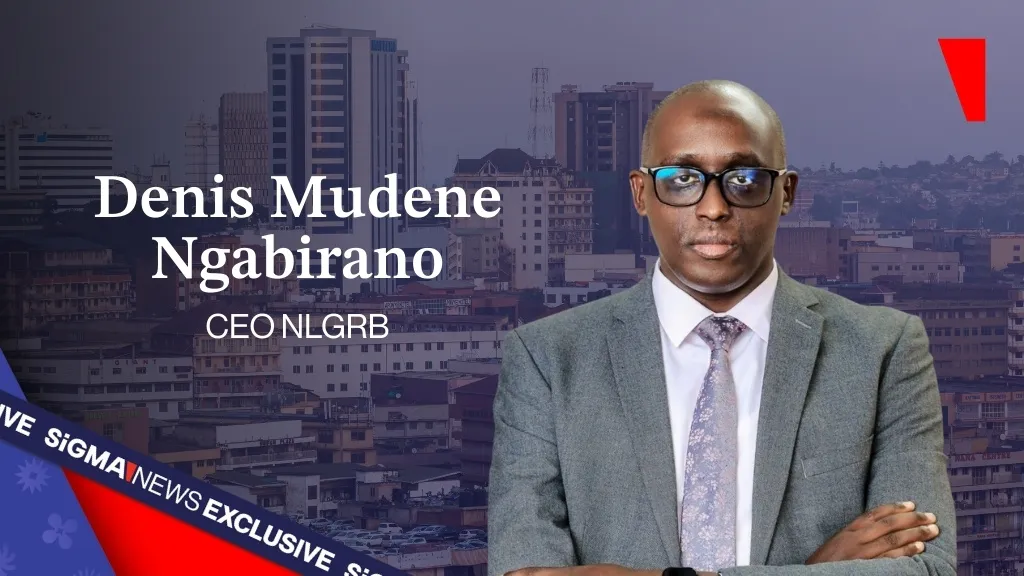
Denis Mudene Ngabirano, chief executive of the National Lotteries and Gaming Regulatory Board (NLGRB), says tighter licensing and a technology backbone have drawn more activity into the open.
“Annual gaming revenue has increased from approximately UGX 50.6 billion (about USD 13 million) in FY 2019/20 to about UGX 323 billion (roughly USD 85 million) by FY 2024/25,” Ngabirano told SiGMA News.
Ngabirano, who rose through the board after joining as an IT manager in 2020, has built his reputation on digital reform. He holds an MBA and a background in information technology, and has pushed the regulator to treat data as an enforcement tool rather than an afterthought.
Ngabirano argues the board has moved from paperwork to live supervision. “In recent years, the National Lotteries and Gaming Regulatory Board (NLGRB) has deliberately repositioned itself as a technology-led regulator,” he said, “using data and digital systems to strengthen supervision and accountability across the industry.”
“A key pillar of this approach is the National Central Electronic Monitoring System (NCEMS), which provides centralised oversight of licensed operators,” Ngabirano explained. He argued it improves “tax compliance, operational transparency, and enforcement of responsible gaming standards.”
The board has also rolled out e-licensing, shifting applications and renewals online. Officials say that it has reduced administrative bottlenecks and made it harder for operators to slip through gaps between inspections.
Uganda’s Responsible Gaming Directives, 2025, require warnings, strict age checks, and tools that allow people to bar themselves from betting. Ngabirano said the measures would “significantly enhance player protection”, citing “mandatory responsible gaming messages, strict age-verification requirements, and the introduction of self-exclusion and restricted persons registers”.
Enforcement, he insisted, will not be left to paperwork. “Enforcement is anchored on intensified nationwide inspections, combining routine compliance checks with intelligence-led operations,” he said, with sanctions ranging from fines to licence suspension or revocation.
The tougher stance has also been expressed in raids on illegal gaming machines, which have spread in bars and kiosks outside the big cities. “One of the most recent operations was triggered by intelligence reports indicating an increase in illegal gaming machines in several parts of the country,” Ngabirano said. The response was “Operation Mashine Haramu”, a nationwide drive carried out with the police. Working jointly with the Uganda Police Force, the NLGRB “has seized more than 6,000 illegal gaming machines across multiple districts.”
The campaign, he said, reaches beyond shopfronts. “Enforcement efforts have been extended to suppliers, technicians, and manufacturers involved in the distribution, installation, and maintenance of illegal gaming equipment,” he added.
Yet the most stubborn threat, the regulator says, is not a physical machine but an advert on a phone. “The main obstacle to effective player channelisation in Uganda’s gaming industry remains the borderless nature of online advertising,” Ngabirano said. Offshore operators, he argued, can reach Ugandan players while “bypassing consumer protection standards, tax obligations, and responsible gaming requirements”.
To steer players towards licensed firms, the board publishes lists of approved operators and runs awareness campaigns. It says a formal complaints policy gives players a route to seek redress. It has also sought cooperation from big tech. Ngabirano said the NLGRB works with “major digital platforms such as Google”, which he said conduct due diligence with the regulator “to ensure that only licensed operators are permitted to advertise”.
Uganda is also pushing enforcement beyond Kampala, expanding to regional offices in Gulu, Mbale and Mbarara.
If the revenue jump holds up, Uganda’s experience suggests that smarter monitoring and stricter safeguards can grow the legal market, but the real test will be whether regulators can keep pace with the offshore market still slipping through the cracks.
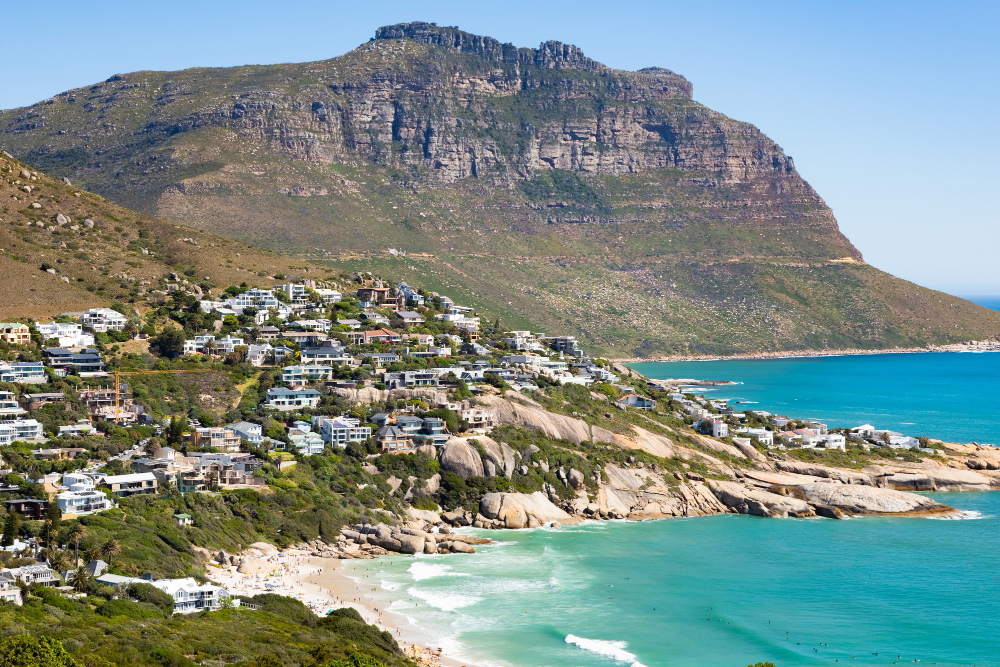
Table Mountain has the views; we’ll bring the deals. SiGMA Africa lands in Cape Town from 03–05 March 2026 and draws 3,000 minds to a rising frontier of innovation and ambition. It’s shaping the continent’s future. Be there.
#Uganda #GamblingRegulation #GamingRevenue #NLGRB #ResponsibleGaming #iGamingAfrica #GamblingIndustry #RegulatoryReform

Welcome to Gambling Consulting Authority (GCA) - Your Strategic Partner in Gambling Industry Advancement